
Here's How We Cut Straight Lines Without Tape (Moncton Painting Tips)
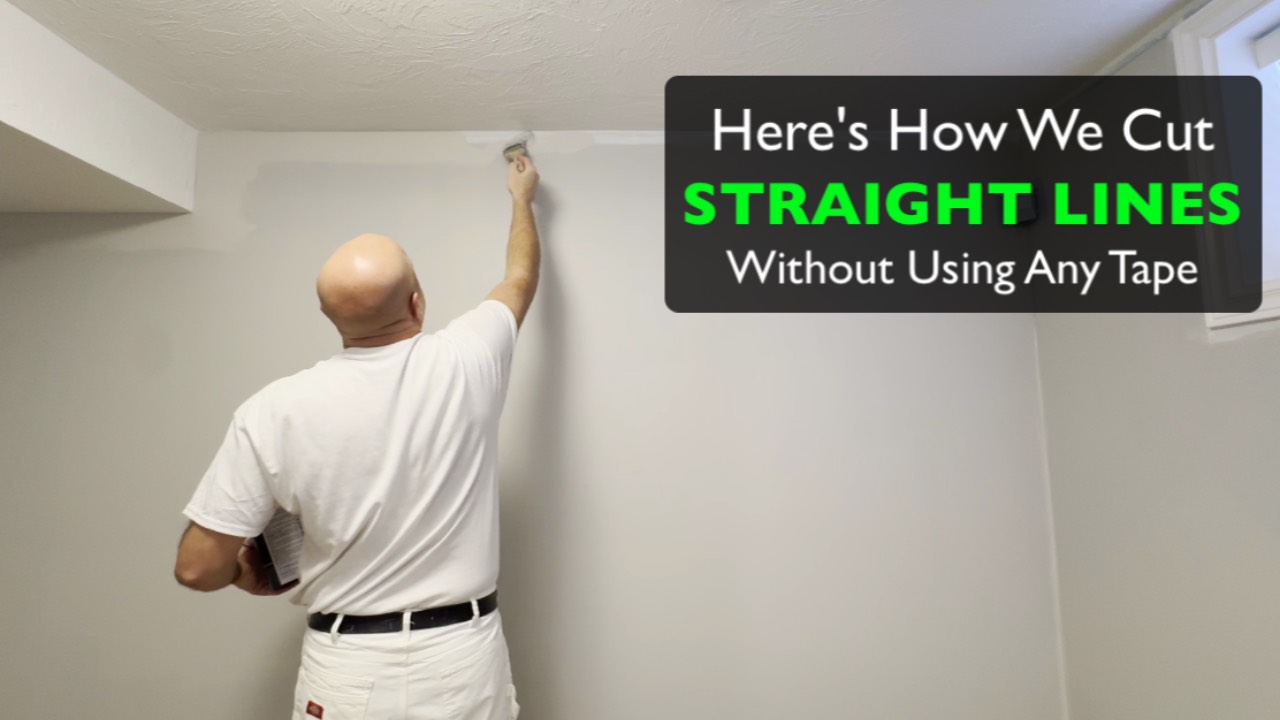
If you’ve ever watched a professional painter work, you might have wondered something:
How do they paint perfectly straight lines without using tape?
In this article, I’m going to walk you through exactly how we do it and explain the mechanics behind cutting clean lines with a brush. Whether you’re a homeowner in the Greater Moncton area curious about how professionals work, or a painter looking to improve your skills, this will give you a better understanding of what’s really happening behind the brush.
My name is Remi Boudreau, Licensed Painter, Color Consultant and owner of Expressions Painting. We proudly serve homeowners throughout Moncton, Riverview, Dieppe, and surrounding communities in Greater Moncton.
The Brush We Use
One of the first questions people ask is what type of brush we use.
The brushes we primarily work with are from a Canadian brand called Zachary Brushes, specifically the Royal 2½‑inch sash brush.
Now, I want to make something very clear:
The brush does not make the painter.
A good tool helps, but it’s not what creates the results.
It’s similar to how Sidney Crosby isn’t one of the best hockey players in the world because of the stick he uses. I'm sure he has a favourite, but his skill is what actually makes the difference.
The same principle applies to painting.
You can give an experienced painter almost any brush and they’ll still be able to cut a straight line. The right brush simply makes the job smoother and more efficient.
Why the Bristles Matter
High‑quality paint brushes have feathered bristles at the tip.
Instead of each bristle ending in one blunt strand, the ends split into very fine fibers. This reduces pressure on the paint film and helps create smoother, more consistent edges. Those fine bristles allow painters to control the final millimeter of the paint line, which is where precision really matters.
The Secret Most People Don’t Know: Priming the Brush
Before cutting precise lines, professional painters prime the brush. Priming simply means filling the inside of the bristles with paint.
If the center of the brush is dry, paint will get pulled inside the bristles instead of transferring onto the wall. When the brush is properly loaded, the outer paint releases smoothly while the inside of the brush stays full.
This allows painters to maintain smoother strokes, keep a consistent paint flow, and cut longer lines without stopping.
How Painters Actually Cut Straight Lines
Many people assume cutting straight lines requires surgeon‑level precision. In reality, it’s more about understanding the mechanics of how the bristles bend.
Imagine holding a flexible cane and placing it into the corner where the wall meets the ceiling. If you apply a bit of pressure, that cane naturally stays inside the corner even if your position shifts slightly.
Paint brushes work the same way—except instead of one flexible cane, you have thousands of tiny bristles bending into the corner and holding the line. So it's more about maintaining the right pressure. When done correctly, your hand can move slightly closer or further away from the corner and your bristles will remain perfectly in place.
Why Momentum Helps
Another common mistake people make is painting too slowly. When you take very short strokes, your arm naturally moves around more, which makes it harder to maintain a consistent line.
Longer strokes create smoother movement and better control. Think of it like riding a bicycle—it’s much easier to go straight and keep balance when you're going fast than if you're moving extremely slow.
Why Tape Isn’t Always the Best Option
Many homeowners assume tape guarantees perfect results, but that’s not always true.
Corners in real homes are rarely perfect. Layers of paint and caulking can create rounded edges instead of sharp ones. Painters often need to decide where the cut line should sit depending on how the room will be viewed.
This is where experience and judgment come into play. Brush cutting allows painters to adjust the line as they work rather than discovering issues only after removing tape.
Why This Method Is Faster
Because we don’t rely on taping every corner, our team can move through projects much faster while still producing extremely clean results.
Once painters develop the skill to cut accurately with a brush, several steps disappear from the process:
- No taping
- No waiting for tape removal
- No risk of paint bleed‑through
That efficiency is one of the reasons many homeowners in Greater Moncton are surprised by how quickly our projects are completed without sacrificing quality.
Want to See This Technique in Action?
Reading about the mechanics of cutting straight paint lines is helpful, but seeing it in real time makes it much easier to understand.
In the video below, I walk through the exact technique we use when cutting in walls and ceilings without tape. You’ll see how the brush is loaded, how the bristles bend into the corner, and how momentum helps create smooth, consistent lines.
If you’ve ever wondered how professional painters achieve those clean edges, this will give you a behind-the-scenes look at the process we use every day on interior painting projects here in the Greater Moncton area.
Interior Painting in Moncton, Riverview, and Dieppe
Expressions Painting provides professional interior painting services throughout:
-
Moncton
-
Riverview
-
Dieppe
-
And surround areas
Our focus is on high-quality finishes, efficient project timelines, and helping homeowners understand the painting process so they can make confident decisions about their homes... including selecting the RIGHT COLORS.
Click below to request your Free Painting Consultation.
"If you're ready to Change Your COLORS
We will help you Change Your LIFE"
- Remi & Gino

