
Here's How We Sand, Cut & Roll the Final Coat (Moncton Painting Tips)
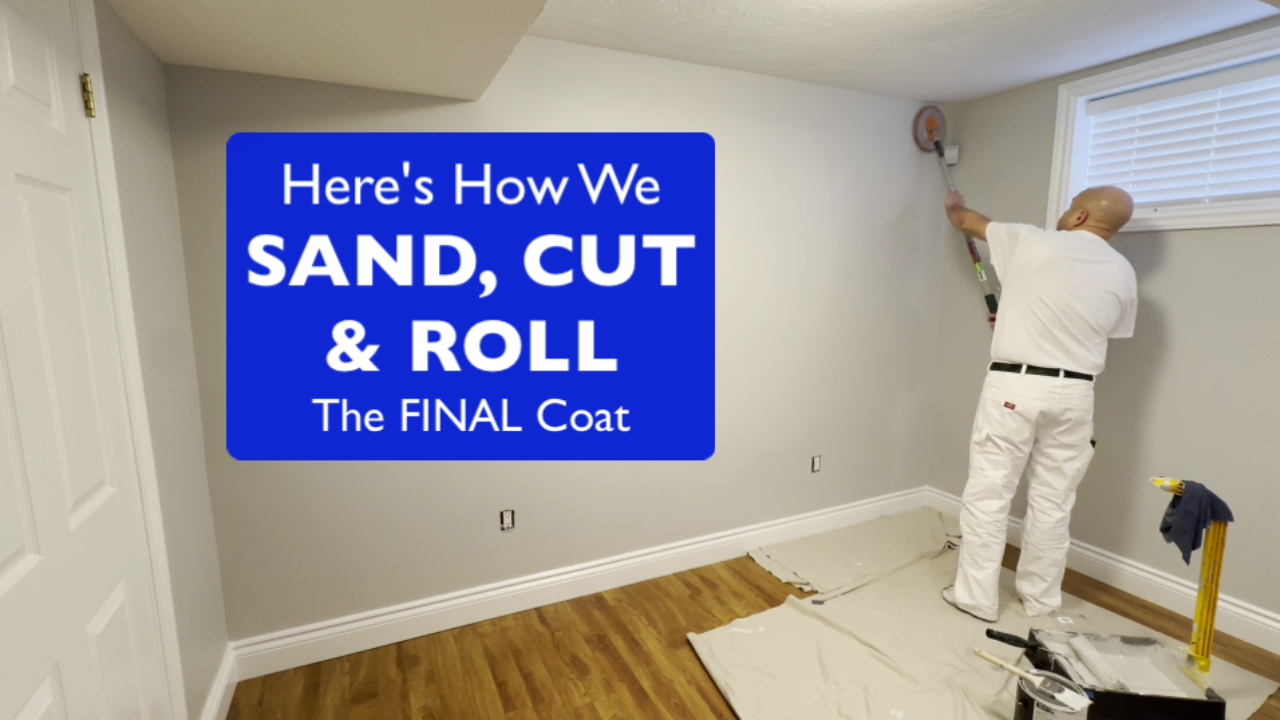
If you’ve ever painted a room yourself, you already know—getting that final coat to look smooth and professional is where things can go wrong fast. From dried paint chunks to uneven cut lines, it’s often the small details that make the biggest difference.
In this post, I’m going to walk you through how we pole sand, cut in, and roll final coats, along with a few key techniques we use on projects throughout Moncton, Riverview, and Dieppe to consistently deliver a clean, high-end finish.
By the time we get to the final coat, the goal isn’t just coverage—it’s refinement.
At this stage, we’re checking for subtle imperfections, correcting visual inconsistencies, and ensuring lines are sharp and consistent.
In repaint projects especially, surfaces aren’t always perfect. Years of previous work mean we need to adjust visually, not just technically. That’s where understanding the mechanics really matters.
Step 1: Pole Sanding for a Smooth Base
Before any final coat goes on, we quickly pole sand the surface. This removes minor imperfections, smooths out previous coats, and prepares the surface for proper paint adhesion.
Step 2: Precision Cutting In (Brush Mechanics)
Cutting in on the final coat is faster than the first—but only if it was done properly from the start.
When loading the brush, we lay the paint down from the bottom and wipe excess paint off the top of the bristles. This keeps paint within the bristles, allows for tighter control in corners, and prevents paint transfer onto unwanted areas.
Step 3: Rolling the Final Coat
When rolling, technique and body mechanics matter. We guide the roller with one arm, control with the other, and switch sides to maintain consistency and reduce fatigue.
Preventing Dried Paint
One of the most frustrating issues is dried paint getting into the finish.
To prevent this, we wrap brushes between uses, keep roller trays sealed with liners, and tightly cover everything at the end of the day. These small steps make a big difference in maintaining a clean, consistent finish.
How Long Does It Take to Paint a Room?
For a standard bedroom in the Greater Moncton area, sanding, cutting, and rolling the final coat typically takes 30–40 minutes depending on conditions. This efficiency comes from having a system—not rushing the work.
Conclusion
If you’re hiring a painter, understanding the process helps you see what separates an average job from a professional one. It’s not just about applying paint—it’s about technique, preparation, and attention to detail.
If you’re planning a project in Moncton, Riverview, or Dieppe, Expressions Painting is here to help you get results that last.
WANT TO SEE THIS IN ACTION?
Watch the video below to see how we sand, cut and roll and entire wall in 7 minutes.
"If you're ready to Change Your COLORS
We will help you Change Your LIFE"
- Remi & Gino

